 ↗
01 / SELECTED PROJECT
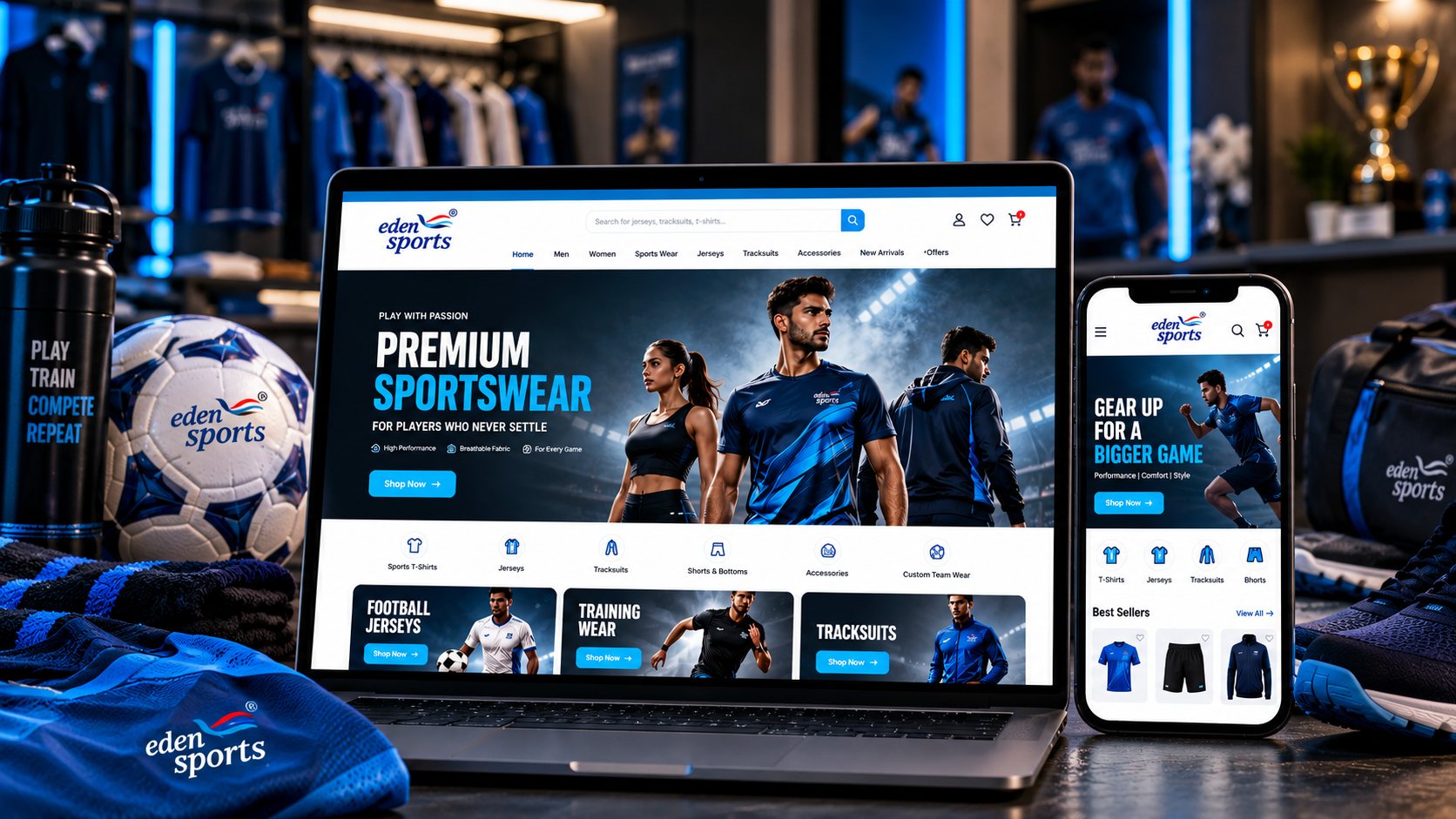
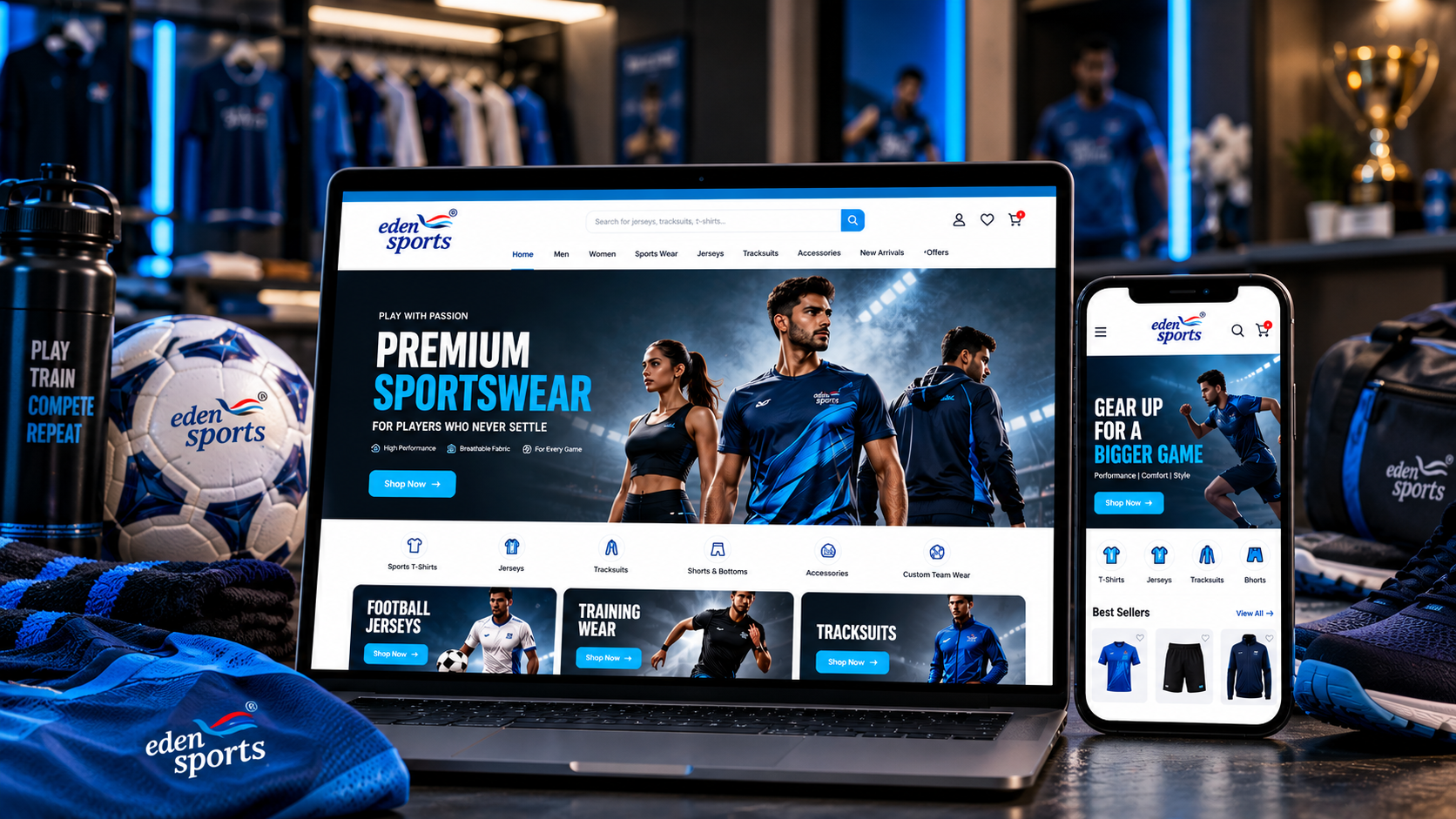
Eden Sports
Sportswear e-commerce

DIGITAL MARKETING GROW ONLINE
SEO, websites and digital campaigns built around what your business needs next.
A selection of project work and digital experiences across different industries.
↗Sportswear e-commerce
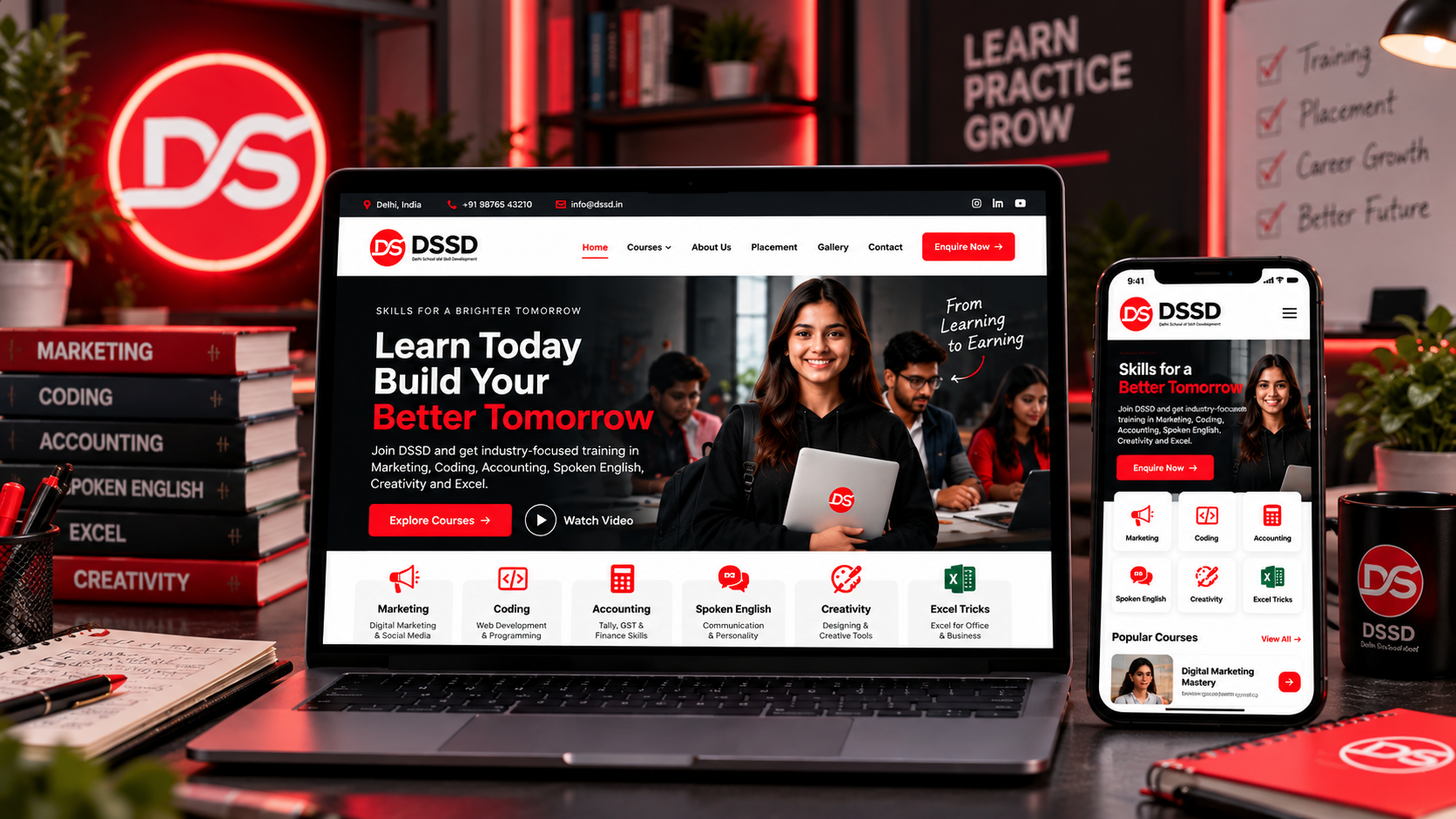 ↗
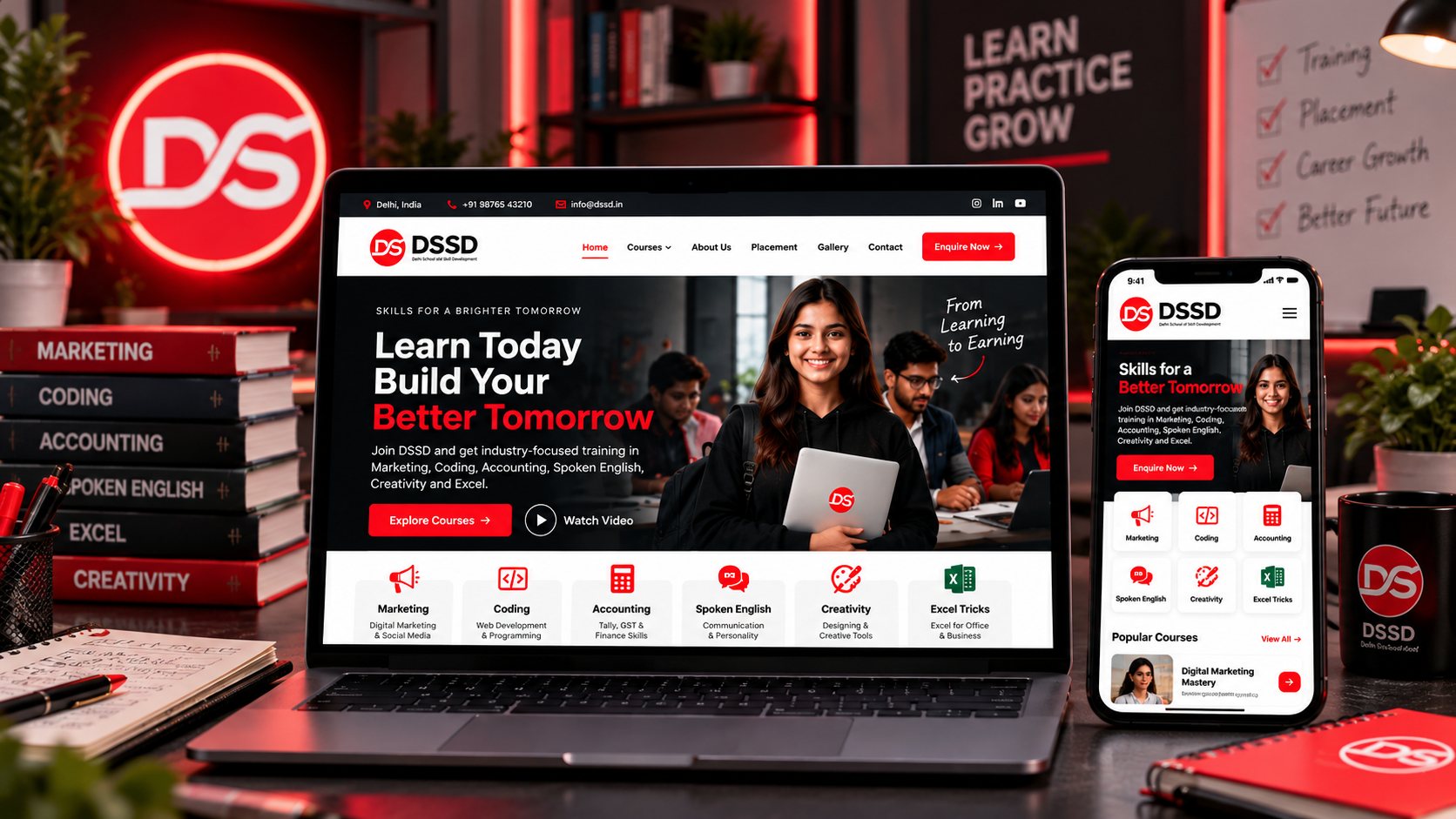
Education & training
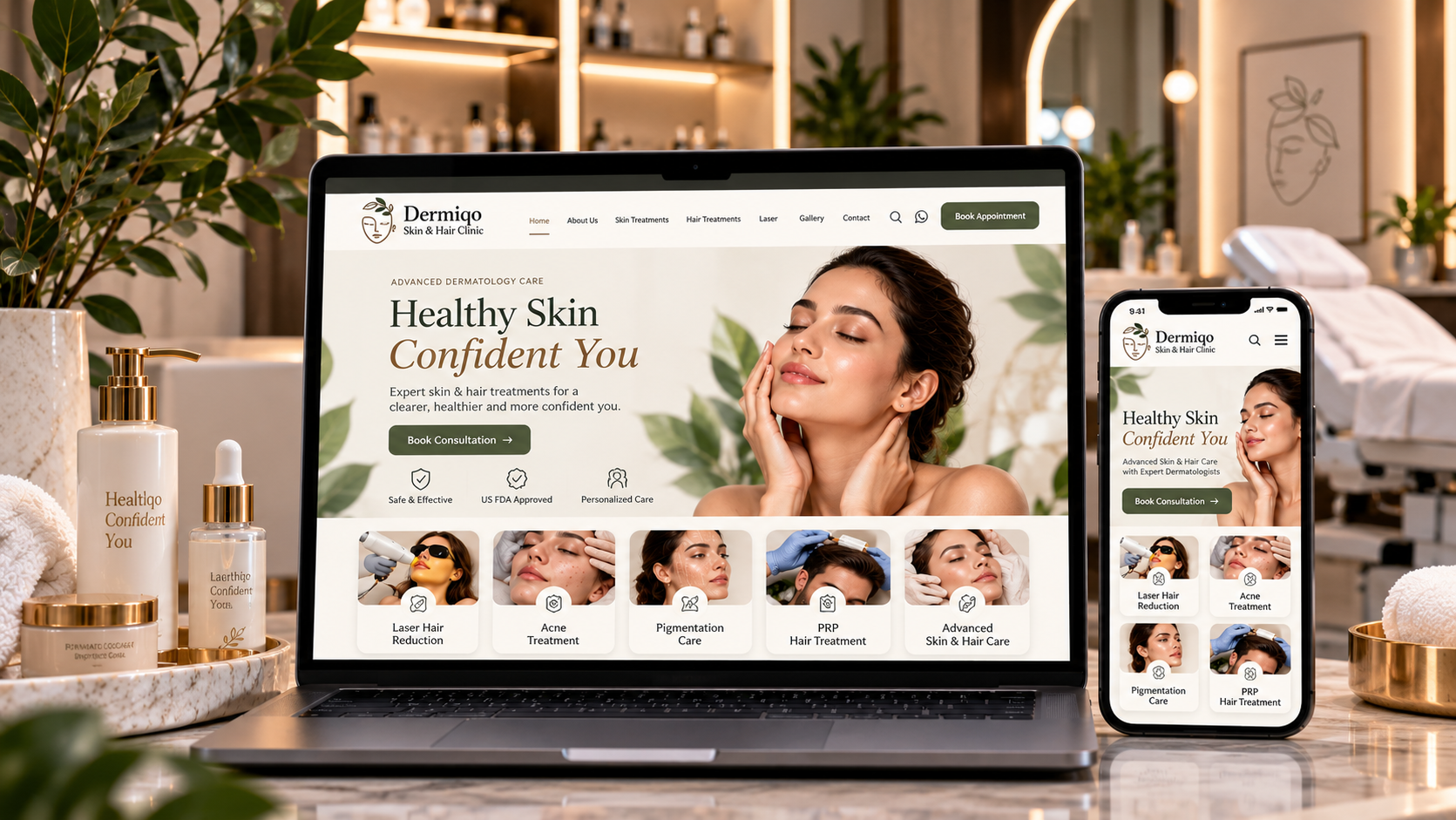 ↗
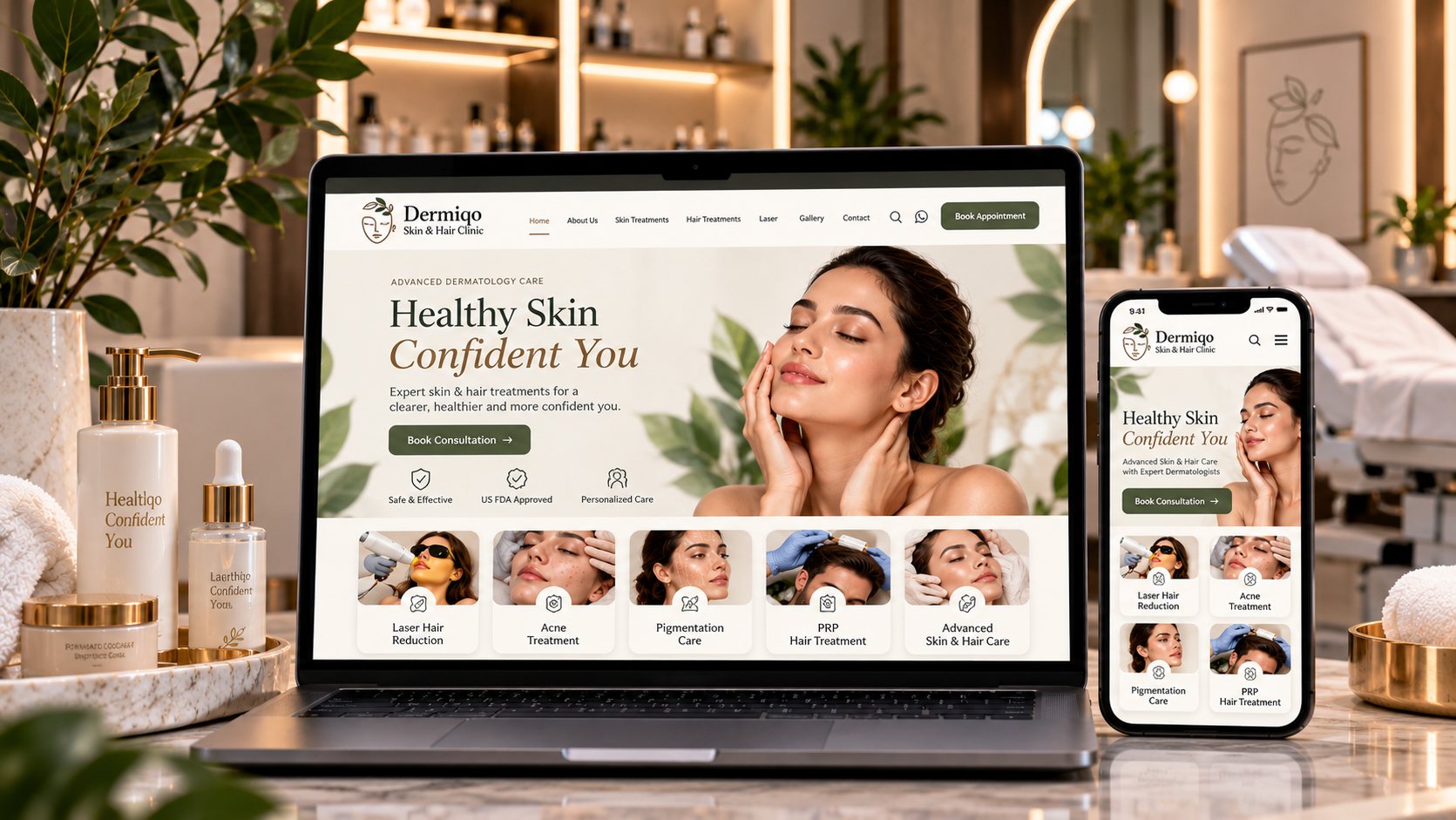
Healthcare website
 ↗
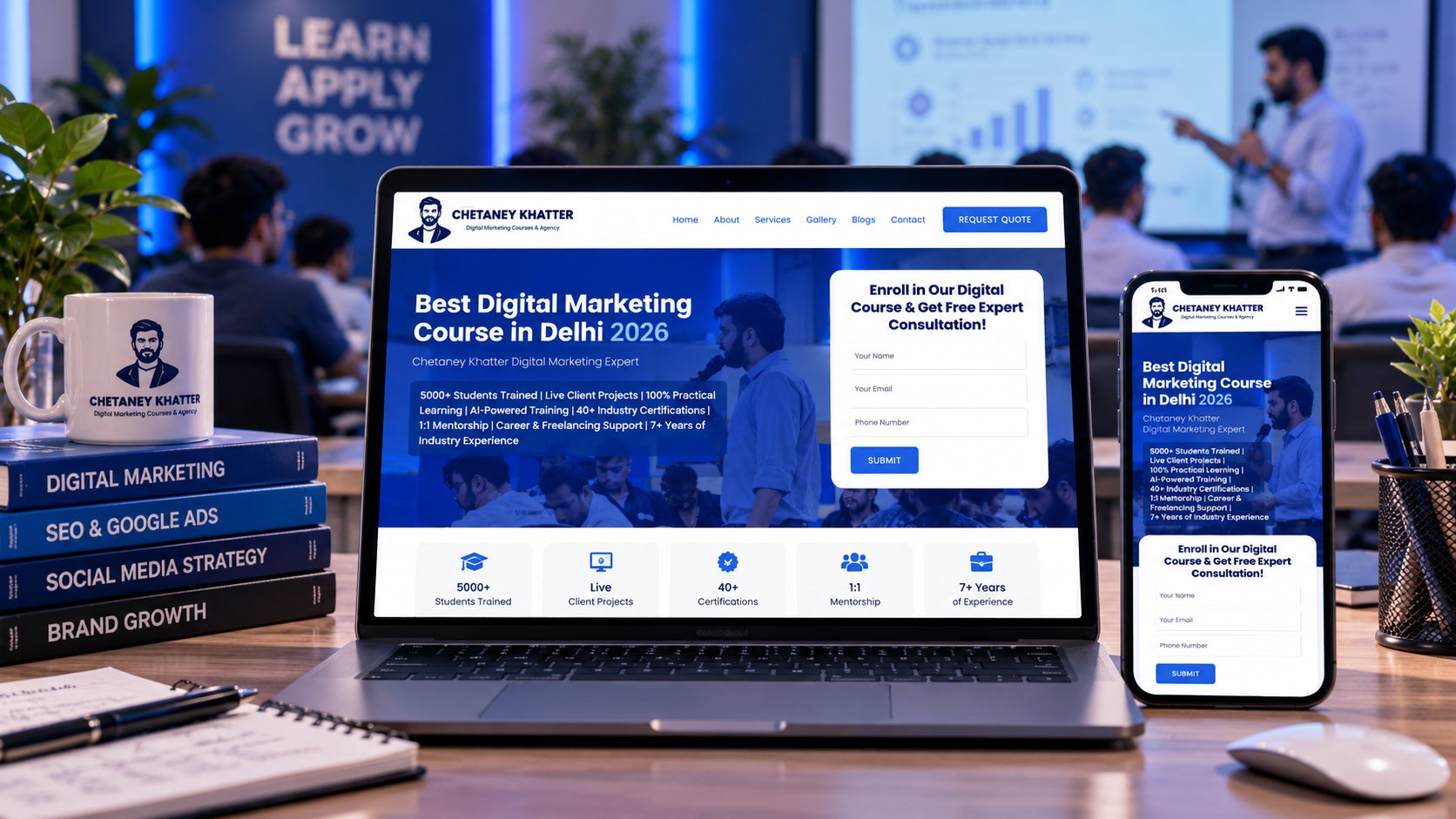
Local service website
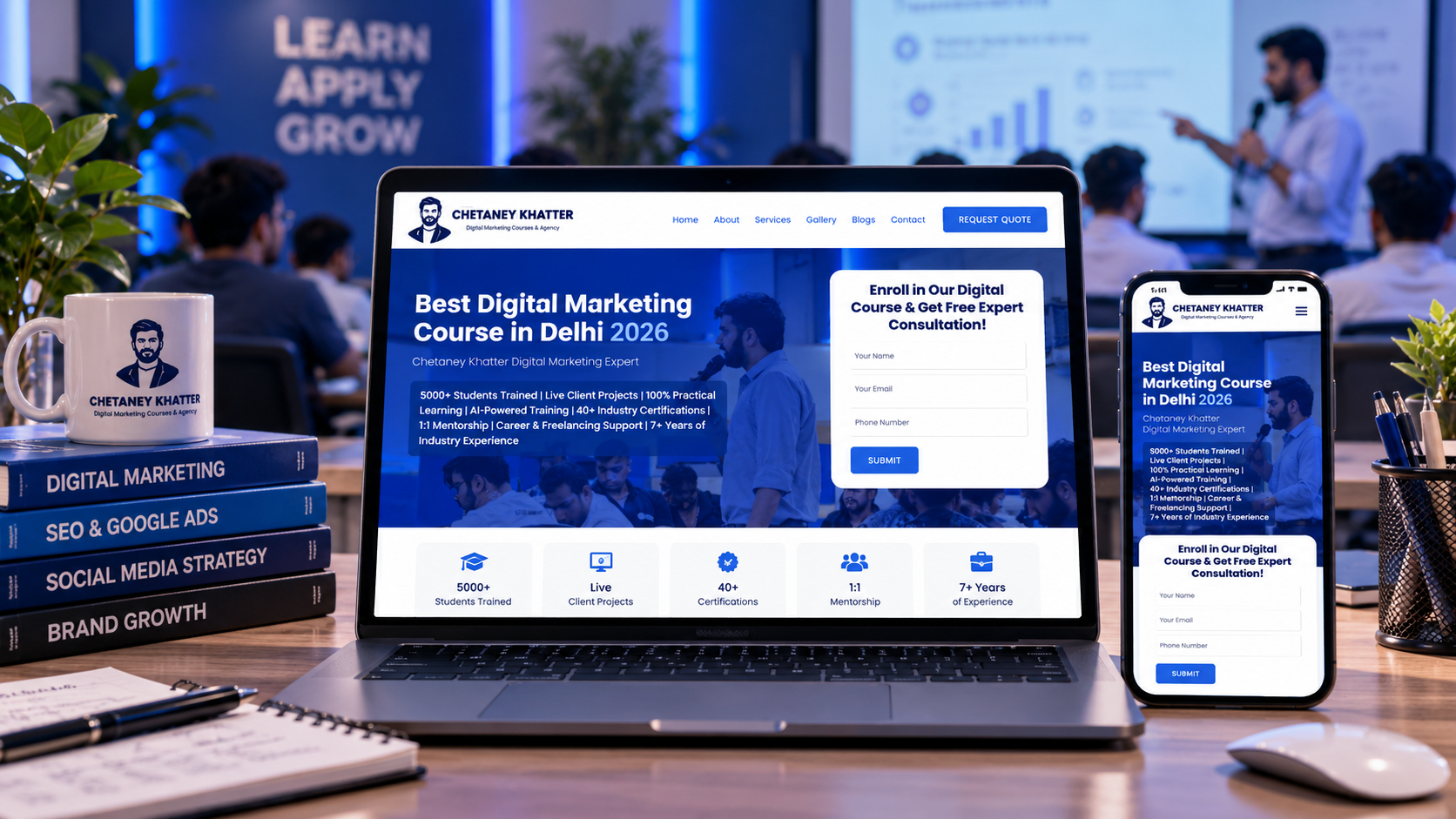 ↗
Education project
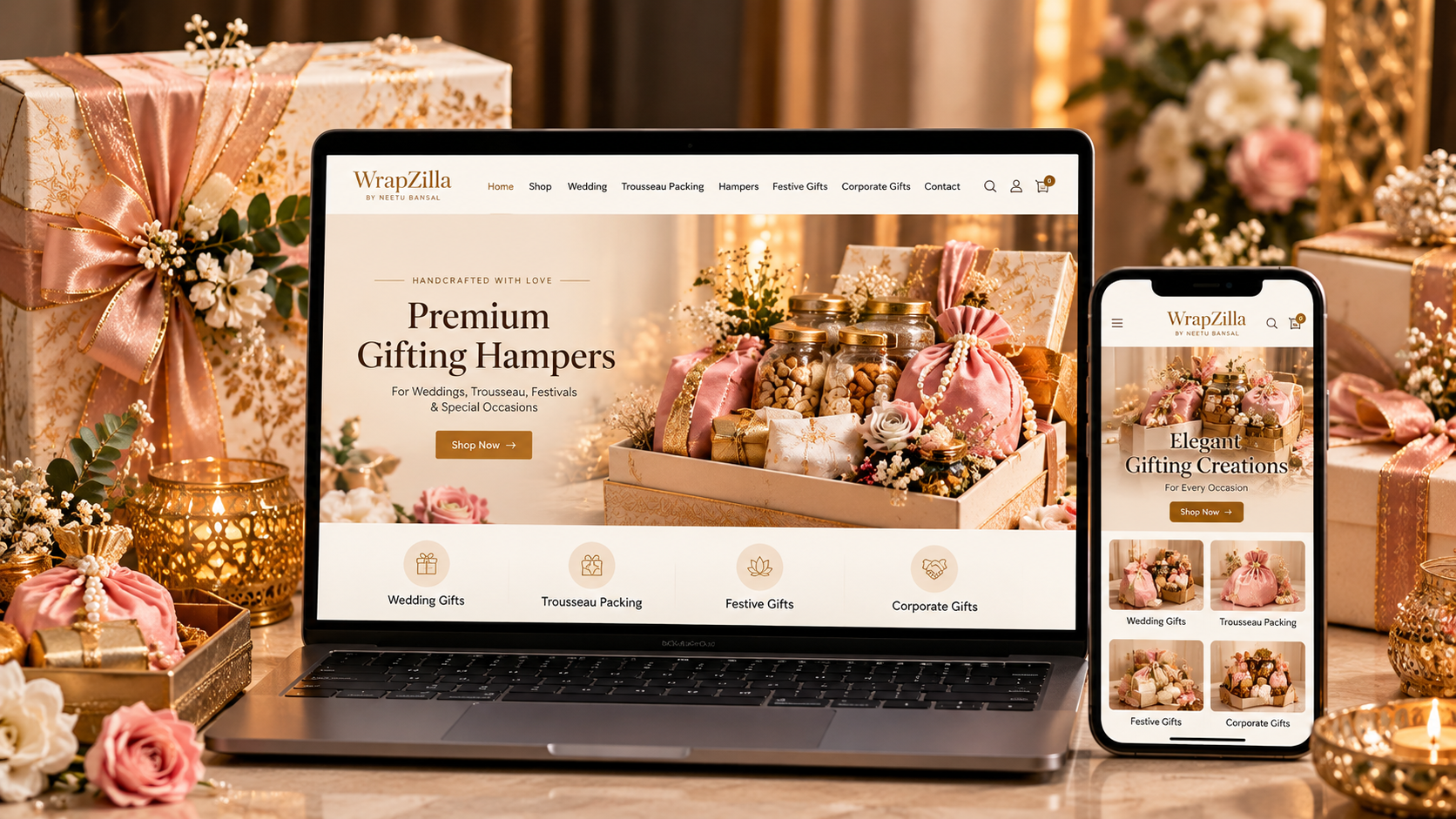 ↗
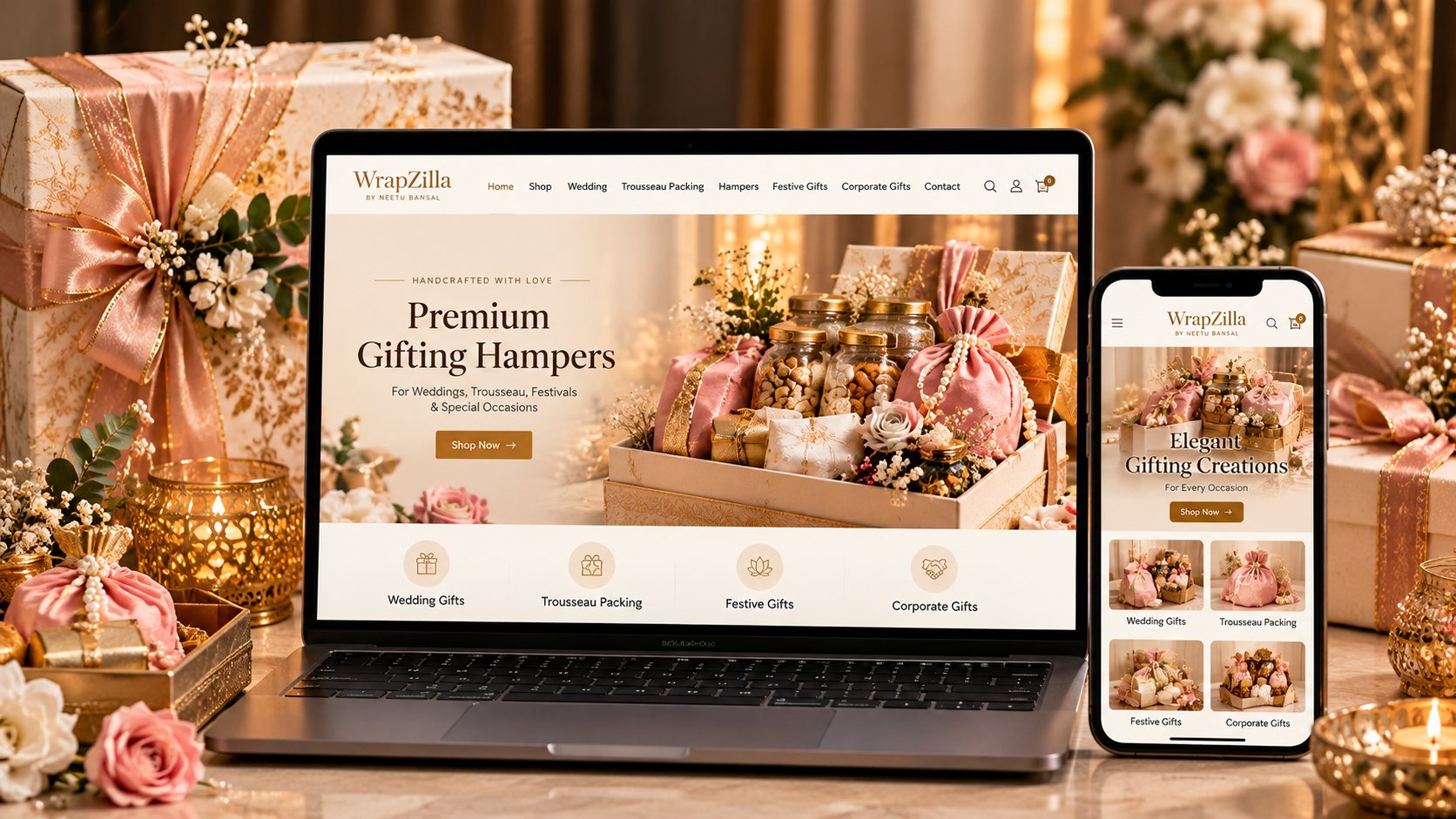
Gifting & e-commerce
A practical set of services designed to make your digital presence more discoverable, useful and consistent.
On-page improvements, technical checks and useful content aligned with how customers search.
Accurate local business information and relevant location pages to help nearby customers find you.
Campaign structure, creative alignment and measurement built around clear objectives.
Responsive websites with clear messaging, useful navigation and search-conscious foundations.
Content planning, brand-aligned graphics and short-form video creative.
Page structure, metadata, internal links, crawlability and content usefulness.
Explore the website visuals and project categories. Links are only added where a verified destination exists.
Sportswear e-commerce
Discuss a project ↗Education & training
Discuss a project ↗Healthcare website
Discuss a project ↗Local service website
Discuss a project ↗Education project
Discuss a project ↗Gifting & e-commerce
Discuss a project ↗Clear priorities, practical execution and transparent communication — without inflated promises.
DMGO — DIGITAL MARKETING GROW ONLINEClarify the business objective, audience, offer and current obstacles.
Prioritise the work with the clearest rationale and scope.
Deliver the agreed pages, campaigns, content and creative.
Review available data and feedback, then choose the next useful action.
Product presentation, discoverability and clear paths to purchase.
Clear course information, lead generation and useful website journeys.
Trustworthy service information and appointment-focused journeys.
Local visibility, location information and simple contact paths.
Search visibility helps people discover you. A useful website helps them understand your offer. Paid campaigns can reach defined audiences, while content and social media help communicate your value consistently.
DMGO helps organise these activities around your business goals instead of treating every channel as a separate task.
↘Project visual focused on a sportswear e-commerce experience across desktop and mobile.
Project visual focused on presenting courses, learning categories and enquiry paths.
Project visual focused on premium gifting categories and product-led browsing.
Verified performance metrics were not supplied, so no numerical results are claimed here.
We publish client feedback only when an original, approved testimonial is available. Have worked with DMGO? Get in touch to discuss sharing your feedback.
Share project feedback ↗Share your website and select a service. We’ll review your enquiry and discuss relevant next steps; this form does not generate an instant automated audit report.
We can discuss local services, ecommerce, education, clinics and professional services. Scope depends on your goals and current setup.
Timing depends on competition, website condition, content, technical foundations and other factors. Specific rankings or timelines cannot be guaranteed.
Yes. Projects can focus on SEO, local SEO, website design, paid advertising or social creative.
Budget depends on objectives, audience, competition, location and the available testing plan. Media spend should be separated from service fees.
The reporting approach should match the project. We aim to explain work completed, available evidence and next steps.
Submit the enquiry form with your website and goals. We can then discuss a suitable next step.
Explore how search, websites, advertising and content can work together. This guide explains the role each part plays and the questions worth asking before you invest.
A useful digital presence begins with understanding what a customer is trying to do. Someone may be comparing providers, checking whether a business serves their area, looking for a clear price range or trying to decide whether a service is trustworthy. The website, search result, social post and advertisement should help answer those questions rather than create more confusion. DMGO brings these touchpoints together so that a business can explain what it offers, who it helps and what a visitor should do next. The goal is not to be everywhere for the sake of it. The goal is to make the places where your audience finds you genuinely useful.
It is easy to add another social post, launch another campaign or publish another page. It is harder—and more valuable—to decide what each activity is meant to achieve. Before recommending tactics, we look at the business objective, the audience, the offer, the existing website and the resources available. This helps separate urgent fixes from longer-term opportunities. A local business may need accurate location information and stronger service pages before increasing ad spend. An ecommerce brand may need clearer product information and a smoother path to checkout. A professional service provider may need stronger explanations and a simpler enquiry process. The plan should fit the actual problem.
SEO is more than inserting keywords into headings. Search engines need to understand the purpose of a page, while people need a reason to stay, read and take action. A thoughtful SEO process can include keyword research, search intent analysis, page titles and descriptions, heading structure, internal linking, crawlability, indexation checks, mobile usability and content improvements. It should also consider whether each page provides a distinct answer or simply repeats what is already on the site. No responsible provider can guarantee a specific ranking or timeline. Search visibility depends on competition, site condition, relevance, authority and ongoing changes. The work should be prioritised, documented and reviewed over time.
When customers search for a nearby service, accurate local information can influence whether they consider a business. Local SEO may involve improving a Google Business Profile, keeping business details consistent, selecting appropriate categories, describing services clearly, adding genuine photographs, responding professionally to reviews and creating useful location pages. Those pages should explain the service in the context of the area without producing dozens of near-identical pages that add little value. A location page should help a customer understand coverage, available services and how to enquire. Local optimisation is not a shortcut to instant visibility; it is a way to make a business easier to understand and discover in the places it actually serves.
A business profile often becomes a customer's first interaction with a local company. People may use it to check opening hours, directions, services, photographs, contact details and recent feedback. Information should be accurate and kept current. Categories should reflect the real business, service descriptions should be specific and images should represent the actual location or work. Reviews should be handled with care: ask real customers for honest feedback and never purchase or fabricate reviews. Profile activity works best when it is supported by a helpful website and a consistent customer experience. The profile is not a replacement for a website; it is one important part of the wider local journey.
A website should make it easy for visitors to answer three basic questions: what does this business do, is it relevant to me, and how do I take the next step? Clear navigation, readable typography, accessible contrast, useful service information and visible contact options all contribute to that experience. A visually striking design can attract attention, but it still needs to load reliably, work on mobile devices and communicate clearly. DMGO works with WordPress and Elementor-based builds where suitable, with attention to content structure, page speed basics, responsive layouts and search-friendly implementation. The best solution is not always a complete redesign. Sometimes a focused improvement to a few important pages is the more practical first step.
Google Ads and Meta Ads can help a business reach potential customers, but a campaign needs more than a budget and a collection of keywords or interests. The objective, audience, offer, landing page, creative, conversion action and measurement setup should support one another. Before launch, it is important to define what counts as a useful result: a qualified enquiry, a purchase, a call or another meaningful action. Early data can help identify problems, but it should be interpreted carefully, especially when conversion volume is low. Advertising costs and outcomes vary by market, competition, creative quality and the offer itself. Campaigns should be reviewed against agreed goals, not judged by impressions alone.
A click is only the beginning of a customer journey. If an advertisement promises one thing and the landing page talks about something else, visitors may leave before making an enquiry. Strong landing pages keep the message consistent, explain the offer, address common concerns and make the next step obvious. Forms should ask only for information that is genuinely needed. Phone and WhatsApp actions should be easy to find when they suit the business. Tracking should be tested before results are used to make decisions. A conversion report is only as reliable as the event setup behind it, so testing forms, buttons, thank-you states and analytics events is an essential part of the process.
Useful content helps customers understand a service and helps a business demonstrate its approach. This may include service pages, FAQs, practical guides, comparison articles, local information and social content. Good content starts with a clear audience and purpose. It avoids exaggerated claims, repetitive wording and paragraphs written only to repeat a keyword. A page should explain the topic in enough detail to help someone make a decision, while using headings and examples to make the information easy to scan. Content also needs maintenance: service details change, links break and older explanations may become inaccurate. A practical content plan balances new material with improvements to pages that already matter.
Social media can help a brand remain familiar, demonstrate its work and answer questions between purchase moments. Consistency does not mean publishing the same message everywhere. Each platform has different formats, habits and expectations, so content should be adapted accordingly. A useful mix may include educational posts, behind-the-scenes material, product or service explanations, genuine customer feedback where permission exists, short videos and occasional promotional messages. Visual design should support the message rather than overwhelm it. A calendar helps maintain rhythm, but performance should still be reviewed so the team can learn which topics earn meaningful attention. Followers and likes are signals, not automatic proof of business impact.
A creative asset has a small window to communicate its main idea. Strong graphics and reels use a clear message, readable text, intentional visual hierarchy and a call to action that fits the context. Design should respect brand colours and typography while remaining legible on small screens. Short-form video can be used to explain a product, show a process, answer a frequent question or introduce a service. It does not need to rely on every trend. A repeatable production process—brief, script, visual plan, edit, caption and review—can help a business publish more consistently without losing quality. The creative direction should be chosen for the audience and objective, not simply because an effect is popular.
A site can look polished and still create problems behind the scenes. Technical checks may include indexability, canonical URLs, redirects, XML sitemaps, robots directives, broken links, image sizing, mobile layout, structured data and page performance. Changes should be made carefully because a mistaken noindex directive or redirect can affect important pages. Structured data should describe information that is genuinely present and should not duplicate markup already generated by an SEO plugin. Performance improvements should focus on actual bottlenecks rather than chasing a score without context. A checklist and a staging environment can reduce risk when changing themes, templates or plugins. Technical SEO is ongoing maintenance, not a one-time badge of completion.
Measurement is useful when it answers a business question. Analytics and Search Console can help show how people discover a site, which pages attract attention, what search queries appear and where visitors may drop out. Advertising platforms can provide campaign-level signals, but their attribution models do not always tell the whole story. Tracking should be checked for duplicate events, missing form submissions and actions that fire without a genuine conversion. Reports should distinguish observed data from assumptions and explain what the team plans to change as a result. Not every fluctuation deserves a reaction. The aim is to identify meaningful patterns, test reasonable improvements and make decisions with a clearer view of the evidence.
Every engagement should begin with a conversation about goals, constraints and the current setup. Discovery helps establish what is known, what is missing and what success should look like. Prioritisation turns that information into a manageable scope, with clear dependencies and deliverables. Execution then covers the agreed work—whether that is improving pages, building a website, preparing creative assets or launching campaigns. Review closes the loop by checking what was completed, what the available evidence says and what should happen next. This process does not remove uncertainty, but it makes decisions more transparent. It also helps avoid spending time on activity that does not connect to the original business need.
Good digital work depends on timely feedback and access to the right information. Businesses know their customers, operations and offers; marketing teams bring structure, research and execution. Sharing those perspectives early can prevent unnecessary rework. It is useful to agree on who approves content, which assets are available, how quickly feedback can be provided and which results will be reviewed. If a result is not yet known, it should be described as unknown rather than presented as a promise. If a plan needs to change, the reason should be explained. Clear communication makes it easier to understand progress and decide whether the next step is still the right one.
A useful partnership is based on clarity, realistic expectations and work that can be reviewed. The right scope may be a single website project, a local SEO improvement, a campaign setup or ongoing support across several channels. Not every business needs every service at once. The starting point should be the problem with the strongest reason to solve it now. Before work begins, discuss access, responsibilities, approvals, timelines, budgets and how enquiries or results will be measured. These practical details are not administrative distractions; they shape whether the work can be delivered well. A good plan should be understandable to the people who need to approve it and use it.
DMGO is based around practical digital marketing support for businesses that want a clearer online presence. Local companies may need to be found by people in a particular neighbourhood or city. Ecommerce and wider-service businesses may need a different balance of search content, website experience, social communication and advertising. The right plan depends on where customers are, how they make decisions and what the business can realistically deliver. Geography should be represented accurately, and location pages should only target areas the business genuinely serves. Wider reach is valuable when it connects with a real offer and operational capacity. A strategy should not promise service coverage or customer outcomes that the business cannot support.
Before investing in SEO, ask what pages and issues will be prioritised, how progress will be reported and which tasks depend on your team. Before starting advertising, ask how conversions will be tracked, what the test budget covers and what would trigger a campaign change. Before commissioning a website, clarify who supplies content, what is included in the scope, how mobile behaviour will be tested and who maintains the site after launch. Before outsourcing social media, agree on approval workflows, brand assets, publishing frequency and the role of each content type. These questions help set realistic expectations and make it easier to compare proposals based on substance rather than broad promises.
You do not need to solve every digital challenge at once. Start by identifying the most important outcome: better visibility for a service, a clearer website, more relevant enquiries, more consistent content or a campaign that can be measured properly. Share what you have already tried, what is working and where you are stuck. DMGO can then discuss the options, the information needed to scope the work and a sensible next step. If a different approach is more suitable, that should be part of the conversation too. The purpose of a first discussion is to understand the situation—not to pressure you into a bundle of services you may not need.
Digital Marketing Grow Online helps businesses improve search visibility, local discovery, websites, paid campaigns and social content through practical, goal-focused digital marketing support. Tell us what you want to improve and we’ll discuss a suitable next step.
Call +91 93546 83399 ↗Or message us on WhatsAppWebsites and digital experiences created for businesses across different industries.